 MeowShare
Security & privacy
Private by design. Honest about limits.
MeowShare's core idea is that a file doesn't need to pass through a server to be shared. This page explains exactly what that means in practice — and what it doesn't mean.
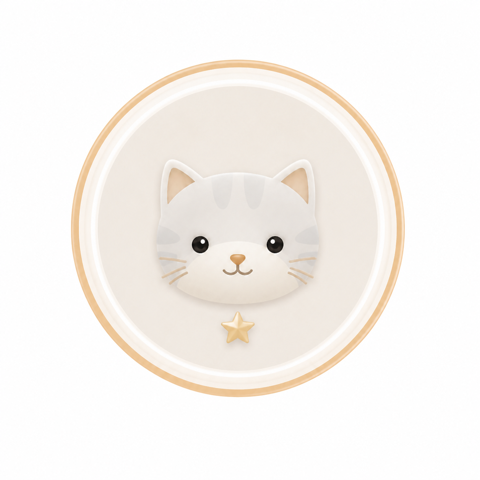 Your deviceAstronaut Cat
Your file · never touches the cloud
Your deviceAstronaut Cat
Your file · never touches the cloud
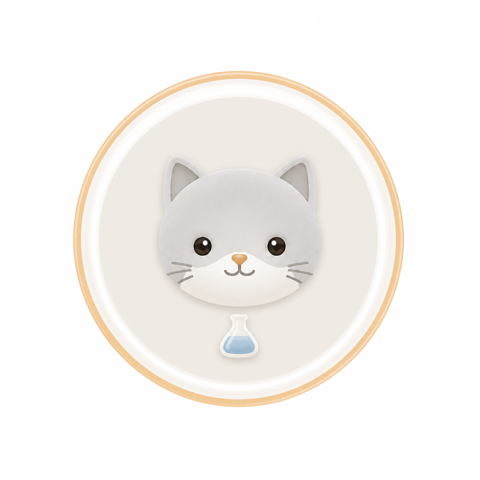 The device you pickedScientist Cat
Follow a transfer
Where your data goes, step by step.
Four moments happen between “open the page” and “file received”. Two involve our service. Only one involves your data.
Each device opens a secure WebSocket to the MeowShare service. This is a standard encrypted connection, like any website.
The service tells devices who else is nearby on the same visible network — cat, chosen name, device kind. Nothing more.
The service relays WebRTC setup messages between the two browsers (session descriptions and network candidates). This is signaling — it contains no payload.
The file, message, or clipboard item travels between the two browsers over a WebRTC data channel. The service is not in the data path and stores nothing.
During and after a transfer
While a transfer runs, the payload exists in the memory of the two devices and in transit between them; the browser's WebRTC stack encrypts the data channel with DTLS as part of how WebRTC works. When the transfer ends, nothing is left on our service to delete — because nothing was stored there.
One honest caveat: MeowShare is not marketed as an end-to-end-encrypted product. Signaling passes through a service we operate, so treat transfers like you would any LAN sharing — right for everyday files on a network you trust, not a substitute for approved tooling with regulated data.
What MeowShare does not do
Read the absences first.
No accounts or profiles
Nothing to sign up for, and no persistent identity. Your device exists as a cat only while the page is open, so there is no account history to compromise.
No cloud upload of your files
Normal transfers are not uploaded to cloud storage. Payloads go browser-to-browser where the network allows; when it doesn't, the transfer fails rather than being stored and re-served by us.
No tracking or advertising
MeowShare has no analytics cookies, no ad networks, and no interest profiling. This marketing site uses no third-party trackers either.
No inflated security claims
You won't find “military-grade encryption” here. The transport is the browser's standard WebRTC stack, the design is direct transfer, and the limits are spelled out on this page.
Visibility on your network
Nearby devices can see you — that's the point.
To make sharing effortless, MeowShare shows other open devices on your network a small amount of information: your cat, the name you chose, the kind of device, and whether you're online. That's the radar.
Because this visibility is the product, two habits make it better. Rename devices to something neutral (the name you type is what neighbours see — there's no need to use your real name), and switch on ask-before-accept for devices that receive a lot.
Studio Mac
Desktop · macOS · online now
- Your cat & chosen device name
- Device kind (phone, tablet, desktop)
- Online / nearby status
Never visible: files before you send them, transfer contents, or any account — there is no account.
When things don't work as hoped
Network and browser reality checks.
Discovery needs a shared network
Devices appear to each other when they share the same visible network. Guest Wi-Fi, hotspots, VPNs, and some office/school networks hide devices — that's when you use QR or code pairing.
Direct transfer can be blocked
WebRTC needs the network to allow browser-to-browser traffic. Strict firewalls, carrier NAT, or enterprise policies can prevent it. There is no server relay fallback: if the direct path is blocked, the transfer won't complete.
Browsers set the rules for extras
Clipboard access, notifications, and background behaviour are decided by the browser and OS — iOS Safari is intentionally strict. See the Devices page for per-platform expectations.
Public networks are public
On café or hotel Wi-Fi you're on someone else's network. Pairing prevents accidental neighbours from seeing you, but it doesn't make the network trustworthy. Send accordingly — and remember this isn't an end-to-end-encrypted tool.
Rename devices so neighbours see “Studio Mac”, not your full name. Turn on ask-before-accept for devices that receive a lot. Treat share codes like temporary door codes — rooms expire after 30 minutes without activity. And for regulated data (medical records, student records, client files), follow your organisation's policy and use its approved tooling; MeowShare is a nearby-sharing utility, not a compliance product.
See the design in action
The best privacy explanation is the product.
Open it on two devices and watch a file move from one to the other — no upload bar, no “syncing to cloud” step.